Image by Irina Kryvasheina
Legendary Warren Buffett is famously thrifty, a key part of his public image and financial philosophy.
Despite his immense wealth — a net worth of over $150 billion — he consistently opted for a modest, simple lifestyle over extravagant spending. He is now retired.
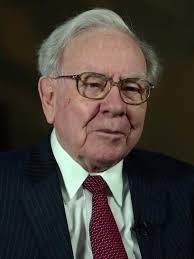
Warren Buffett
Popular investment strategies inspired by Mr. Buffett include value investing, a long-term “buy-and-hold” approach, the “circle of competence” principle, and the use of the 90/10 portfolio allocation for average investors.
His core investment principles
At its core, Mr. Buffett’s approach is based on the principles of his mentor, Benjamin Graham. This strategy involves buying stocks of high-quality businesses at a discount to their calculated intrinsic value, providing a crucial margin of safety.
He focuses on a company’s fundamentals and earning power, not short-term market fluctuations.
Mr. Buffett is famous for his patience, with a favorite holding period of “forever.” This strategy allows investments to benefit from the power of compound interest and avoids the pitfalls of trying to time the market. He believes in holding quality assets for the long term, often decades.
Mr. Buffett advises investors to stick to businesses they thoroughly understand.
He looks for companies with a sustainable competitive advantage, or “economic moat,” that protects their market share and profitability from rivals. Examples from the Berkshire portfolio include the powerful brands of Coca-Cola and Apple, and the wide network of American Express.
Mr. Buffett advises investors to stick to businesses they thoroughly understand. This principle helps in making informed decisions based on analysis rather than speculation and is why he historically avoided complex tech companies, though Apple is now his largest holding.
When evaluating a company, he looks at specific financial measures over a long period five to ten years, including:
— Consistent return on equity (ROE).
— Low amounts of relative to equity (low debt-to-equity, or D/E, ratio).
— Strong and steadily increasing profit margins.
Despite his multi-billion dollar net worth, he maintains a remarkably modest lifestyle, focusing on value and avoiding lavish spending. He even once had a car with a license plate that read “THRIFTY”.
Examples of Buffett’s Thrifty Habits
Buffett still lives in the same five-bedroom house in Omaha, Nebraska, that he purchased in 1958 for just $31,500. He calls it the “third best investment I ever made.”
He often starts his day with a cheap breakfast from McDonald’s, spending no more than $3.17, depending on how the stock market is performing. He is also known for dining at family-style restaurants like Gorat’s Steak House in Omaha, not high-end luxury spots.
Mr. Buffett avoids luxury vehicles and drives relatively modest cars, such as a Cadillac XTS he purchased in 2014. His daughter has mentioned he only buys a new car when she tells him the old one is becoming “embarrassing.”
On a trip to Hong Kong with Bill Gates, Buffett famously pulled out coupons to pay for their McDonald’s lunch, a story Gates shared to highlight Buffett’s commitment to finding value.
For years, Buffett used a $20 Samsung flip phone until he was eventually persuaded by Apple CEO Tim Cook to switch to an iPhone in 2020.
He also wears simple, tailored suits from a single Chinese supplier rather than expensive designer labels. When his first child was born, instead of buying a bassinet, he used a dresser drawer for the baby to sleep in, and borrowed a crib for his second child.
Philosophy Behind the Thriftiness
Mr. Buffett’s frugality stems from his value investing philosophy, which emphasizes price and value in both his business and personal life. He has stated he does not believe a high standard of living equates to happiness and prefers to invest his wealth in productive assets and philanthropy rather than personal splurges.
He practices living within one’s means and advises against unnecessary debt, such as from credit cards. Buffett’s approach demonstrates that building wealth often comes from disciplined saving and focusing on long-term value over short-term consumption.
From the Coach’s Corner, see related information:
Grow Your Business by Appearing Rich but Conserving Cash — You’ll find it easier to grow your firm by appearing successful. How to build relationships with successful entrepreneurs to facilitate growth opportunities.
Is Gold a Good Investment? Maybe … Maybe Not — Warren Buffett, who is considered the best investor of all time, raised some eyebrows. He’s always condemned gold as an investment, but his firm Berkshire Hathaway put money into gold. Why?
Warren Buffett Stopped Supporting Wells Fargo after Scandals — Billionaire investor Warren Buffett doesn’t think Wells Fargo is a good investment after the bank’s scandals. He used the “cockroach” analogy.
What the Affluent Know about Achieving Financial Success — Two different experts who speak with authority about wealthy Americans – a business professor and a leading consulting firm – have offered advice for minorities who seek success in their careers.
Low-Risk Investments to Safely Grow Your Money — While low-risk investments may not deliver high returns, they help balance and diversify your portfolio for a better overall return — a good idea if you’re retiring early.
“Rule No. 1: Never lose money. Rule No. 2: Never forget rule No. 1.”
-Warren Buffett
__________